The 25C Tax Credit Expires Soon
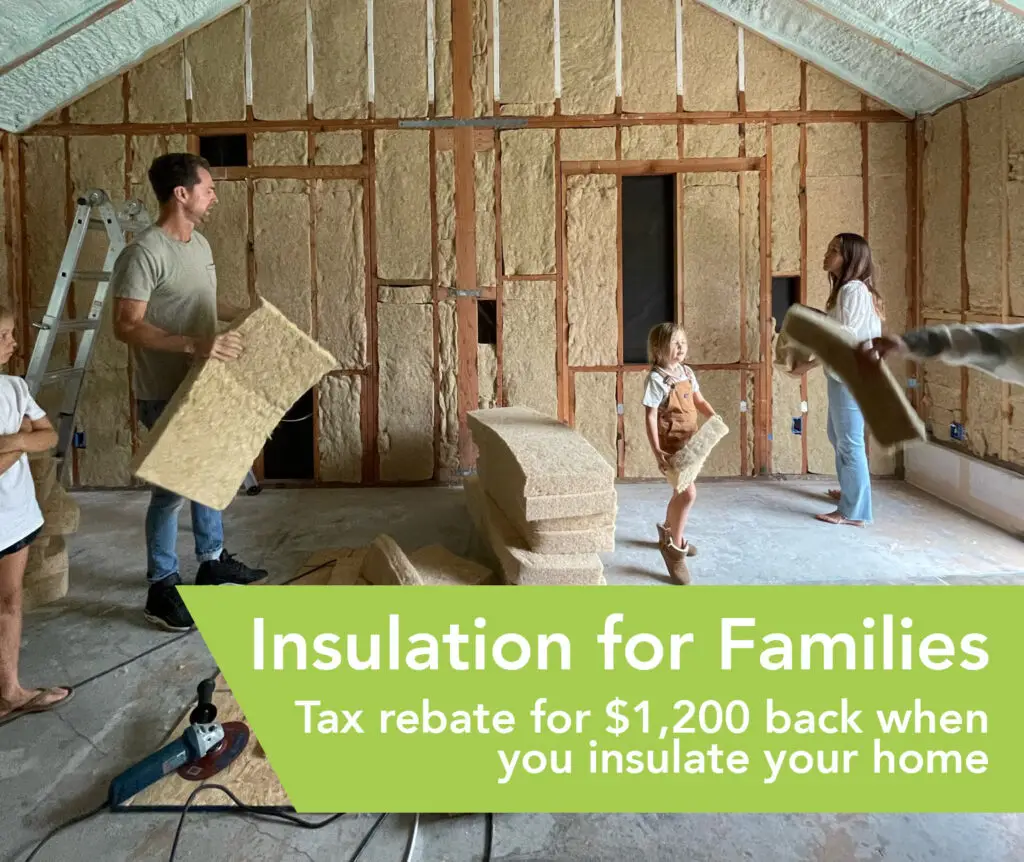
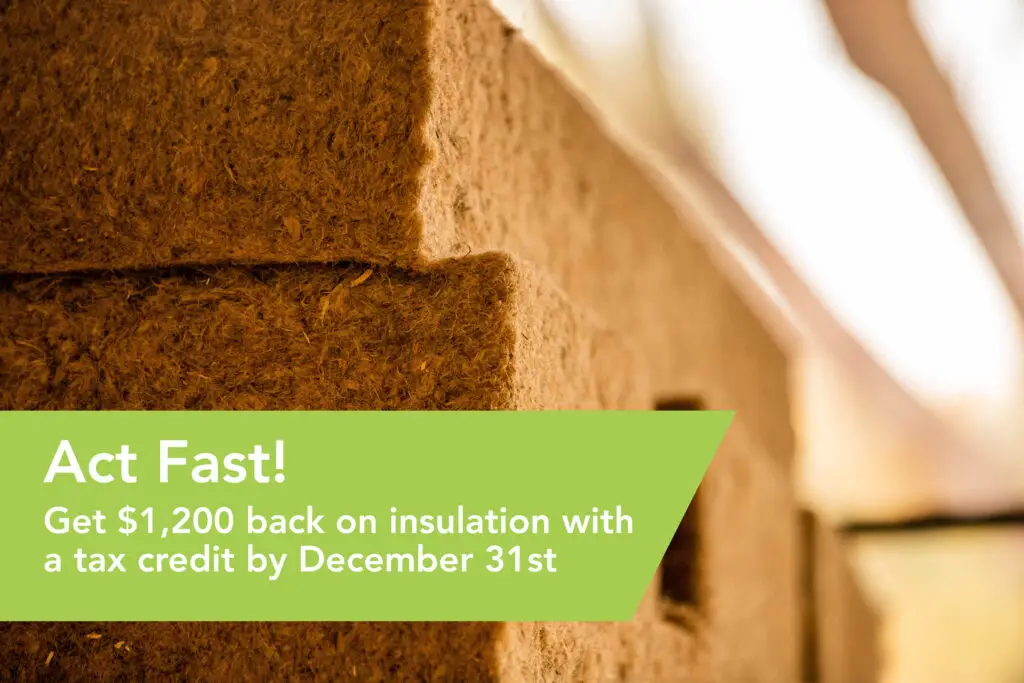
The Inflation Reduction Act (IRA) supercharged residential energy‑efficiency incentives with the Section 25C Energy‑Efficient Home Improvement Credit. For two glorious years, homeowners could recover 30 % of insulation materials (up to $1,200 per year) plus $2,000 for heat pumps, simply by upgrading their building envelope. But the One Big Beautiful Bill Act (OBBBA) signed in July 2025 accelerated the phase‑out of federal green tax credits—**25C disappears for projects placed in service after **December 31 2025. That means insulation upgrades must be installed and ready for use by the end of 2025 to claim the final credit.
If you’re wondering what comes next or how to keep insulation upgrades affordable, this guide will help you understand the evolving federal landscape and highlight the best state and utility programs across the country. We’ll also show how natural, high‑performance materials like HempWool® can take advantage of these incentives while keeping your home healthy and sustainable.
What Happened to the 25C Tax Credit?
The 25C credit offered a straightforward way to offset insulation costs: buy qualifying insulation or air‑sealing materials, install them, and claim 30 % back (materials only) on your federal taxes. For 2025 you can still claim the credit on your 2026 tax return—just remember the project must be placed in service by 12/31/2025. After that date the credit is gone. Consult a qualified tax professional and keep receipts; you’ll need documentation of materials (labor is not covered).
Don’t Miss the Installation Deadline
Tip: The IRS defines “placed in service” as the date the taxpayer starts using the property. Materials sitting in your garage don’t count. Schedule your installation early so your hemp‑based insulation is in the walls or attic long before New Year’s Eve.
What Federal Programs Replace 25C?
The IRA also created two long‑term Home Energy Rebates—the Home Efficiency Rebates (HER) and Home Electrification and Appliance Rebates (HEAR). These will be administered by state energy offices with funding from the U.S. Department of Energy (DOE).
- Home Efficiency Rebates (HER): Rewards whole‑house energy savings. Depending on modeled or measured energy reductions, households can get up to $4,000 per unit for 20–34 % savings or $8,000 per unit for ≥35 % savings, but rebates can’t exceed 80 % of project costsnationalhousingtrust.org.
- Home Electrification and Appliance Rebates (HEAR): Focuses on income‑restricted households and covers electrification measures like heat pumps, induction ranges and weatherization upgrades. The DOE guidance lists insulation, air sealing and ventilation among eligible measures with rebates up to $1,600nationalhousingtrust.org.
- Timing: States must apply to DOE and design programs; many expect to launch in late 2025 or 2026. Check your state energy office for updates.
These programs will not be retroactive for projects installed before your state launches its rebate portal. Therefore, homeowners racing to capture 25C should also investigate state and utility incentives that can stack with the federal credit in 2025 and fill the gap afterwards.
State & Utility Incentives: Who’s Still Offering Insulation Rebates?
Unlike the 25C credit, state and utility programs aren’t going away. In fact, many are expanding to complement the federal rebates. Below are some standout examples. (Always confirm availability and eligibility with your local utility.)
Northeast & Mid‑Atlantic
Massachusetts – Mass Save®
- 75–100 % off insulation & air‑sealing upgrades. The Mass Save program offers residential customers 75 % to 100 % off approved insulation and air‑sealing improvementsmasssave.com. Income‑eligible households and residents in designated equity communities can receive 100 % coveragemasssave.com.
- 0 % HEAT Loan financing up to $25,000. Qualified homeowners can finance upgrades with a zero‑interest loanmasssave.com.
- Pro tip: Mass Save requires a no‑cost energy assessment or use of approved contractors; schedule early as appointments fill up quickly during colder months.
Maine – Efficiency Maine
- 80 % rebate up to $8,000 for low‑income households. Efficiency Maine’s weatherization rebates cover air sealing and insulation at 80 % of project cost up to $8,000 for low‑income households, 60 % up to $6,000 for moderate‑income, and 40 % up to $4,000 for households of any incomeefficiencymaine.com.
- Lifetime limits per building: The program caps cumulative weatherization rebates at $8,000 (low‑income), $6,000 (moderate) or $4,000 (any income)efficiencymaine.com.
Pennsylvania – PPL Electric Utilities
- 75 % of cost up to $500 for electric‑heat customers and 75 % up to $200 for homes with central A/C and non‑electric heatpplelectricsavings.com.
- Eligible projects include attic and basement wall insulation; existing attic insulation must be below R‑30 and the upgrade must reach at least R‑49pplelectricsavings.com.
Rhode Island / New York
Both states have received DOE approval for HEAR and HER applications and plan to launch income‑restricted weatherization rebates. While final program details are still emerging, residents can expect rebates comparable to the $1,600 federal cap for insulation, air sealing and ventilationnationalhousingtrust.org. Check the Rhode Island Office of Energy Resources and NYSERDA websites for launch dates and contractor requirements.
Midwest
Illinois – Ameren Illinois Energy Efficiency Program
Ameren’s home energy audit program pays fixed rebates for self‑installed or contractor‑installed insulation:
- Attic or wall insulation: $1.10 per square footamerenillinoissavings.com.
- Rim‑joist insulation: $2.00 per linear footamerenillinoissavings.com.
- Crawl‑space wall insulation: $3.00 per linear footamerenillinoissavings.com.
- Air sealing: $0.70 per cubic foot per minute (CFM) of air leakage reducedamerenillinoissavings.com.
These incentives require pre‑approval and a participating Program Ally contractor. Combined with the 25C tax credit, they significantly cut the payback period for adding HempWool® to attics, walls or crawl spaces.
South
Georgia – Georgia Power Home Energy Improvement Program (HEIP)
Georgia Power’s HEIP offers rebates for individual improvements, covering 50 % of project cost up to specific capsprograms.dsireusa.org:
| Measure | Rebate (50 % of cost up to…) | Notes |
| Air sealing | $300 | Participating contractor required |
| Attic insulation (DIY) | $250 | Self‑installation; must meet R‑value requirements |
| Whole‑house energy reduction (≥20 %) | $1,100 | Requires energy assessment |
| Home energy assessment | $150 | Covers half the cost of the assessment |
Other measures like duct sealing and heat pumps also qualify. HEIP is available through 2025, aligning perfectly with the 25C sunset.
Florida – Jacksonville Electric Authority (JEA)
Florida hasn’t finalized its state‑wide HEAR program yet, but local utilities offer rebates:
- JEA offers a flat $200 rebate for attic insulationprograms.dsireusa.org. The same program provides additional rebates for smart thermostats, efficient appliances and water heatersprograms.dsireusa.org.
Other Florida utilities (Duke Energy, FPL) have similar rebates, but details may vary and some websites restrict access. Check with your local provider.
West
Washington – Pacific County Public Utility District #2
In coastal Washington, the Pacific County PUD provides straightforward weatherization rebates:
- Attic, floor and wall insulation: $0.60 per square foot for standard rebates and $1 per square foot for low‑income householdspacificpud.org.
- Window replacement: $8 per square foot (or $45 per square foot for low‑income households)pacificpud.org.
These incentives demonstrate that even small utilities value building‑envelope improvements and can be stacked with federal credits and state rebates.
How to Stack Incentives & Maximize Savings
- Grab 25C while it lasts. Make sure your HempWool® installation is complete and operational before December 31 2025 to claim the 30 % credit. Keep receipts and the manufacturer’s QMID.
- Layer state/utility rebates. Many programs reimburse a percentage of your costs or pay per square foot. For example, a Pennsylvania homeowner using electric heat could receive 75 % of insulation costs (up to $500) from PPL Electricpplelectricsavings.com, claim 30 % of materials through 25C, and still be eligible for future DOE rebates if they meet income and energy‑savings thresholds.
- Monitor DOE Home Energy Rebate launches. States will roll out HER and HEAR programs on different timelines. Sign up for alerts from your state energy office so you can plan larger upgrades—like whole‑home electrification and deeper retrofits—to qualify for $4,000–$8,000 HER rebates or $1,600 HEAR insulation rebatesnationalhousingtrust.org.
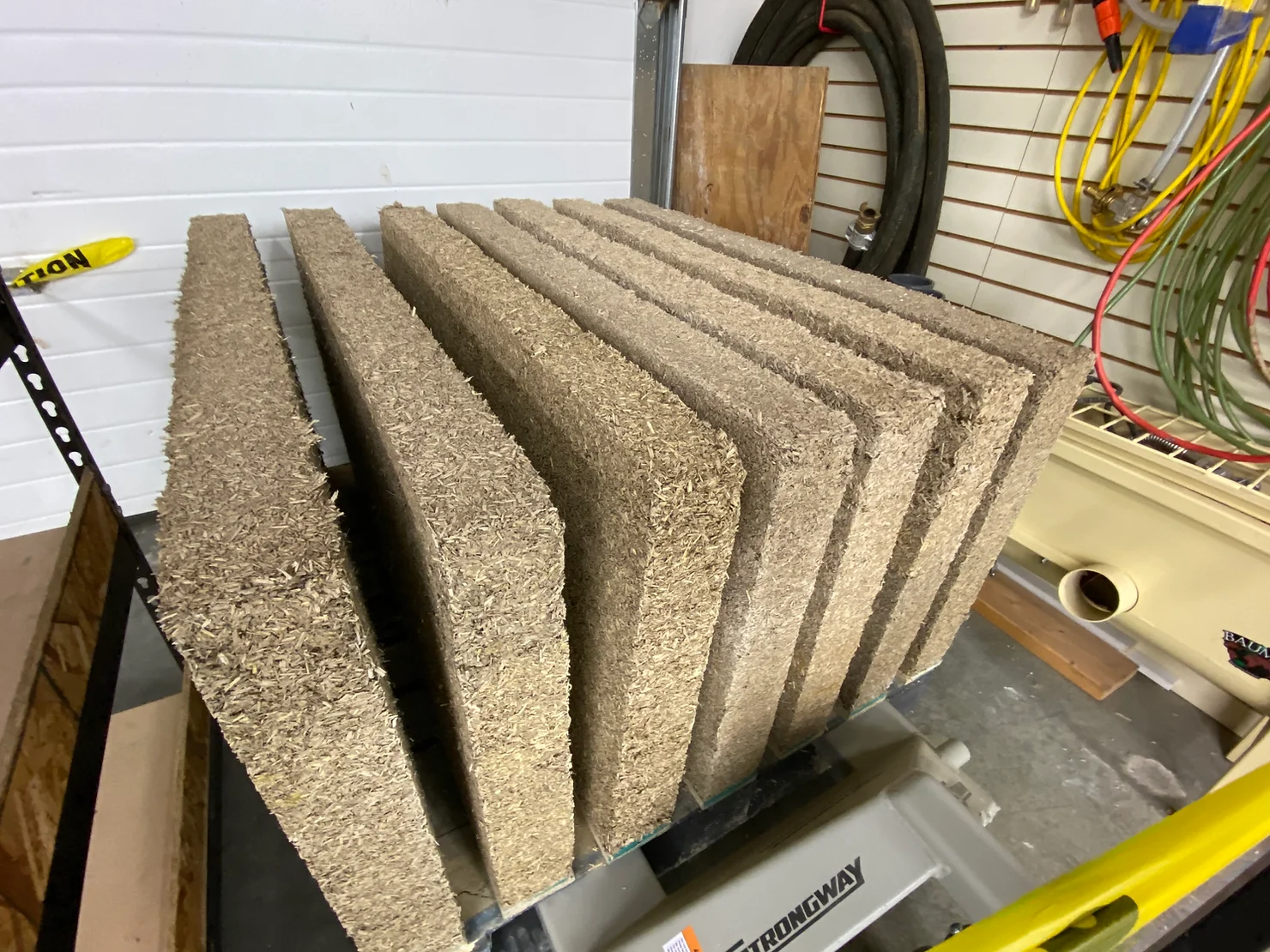
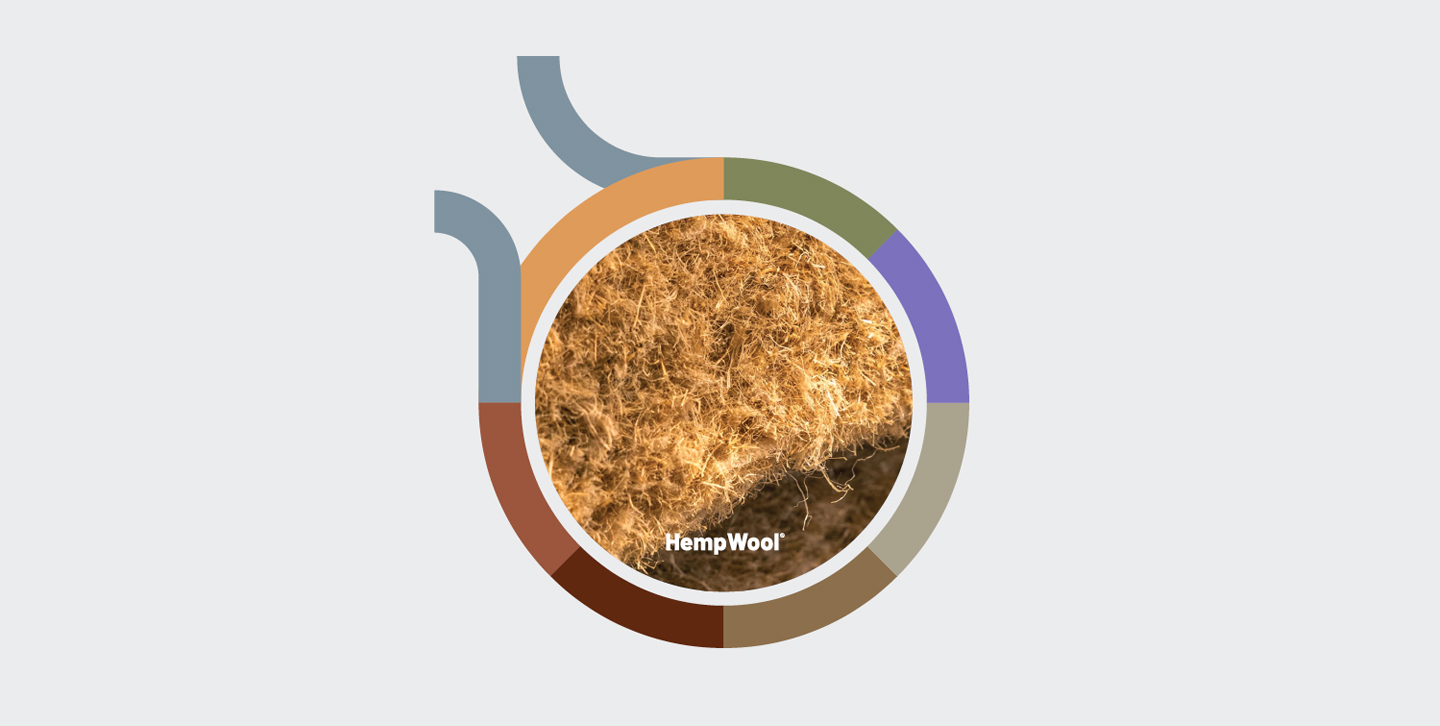
- Choose natural, high‑performance materials. HempWool® insulation is carbon‑negative, non‑toxic and provides excellent thermal and acoustic performance. Its high R‑value per inch helps meet utility program requirements (many rebates require achieving specific R‑values like R‑49 in atticspplelectricsavings.com). Because HempWool doesn’t off‑gas harmful chemicals, it’s a healthier choice for families compared with fiberglass or foam.
- Work with qualified contractors. Most rebates require installation by certified contractors or participation in a utility program. Hempitecture partners with licensed installers nationwide and can help connect you with approved vendors to ensure eligibility.
Final Thoughts & Next Steps
The sunset of the 25C tax credit is not the end of insulation incentives—it’s the beginning of a new era of performance‑based rebates and state‑driven programs. By acting now, you can stack federal tax credits, state rebates and utility incentives to dramatically reduce the cost of upgrading to sustainable HempWool® insulation.
Remember to:
- Schedule your project well before the December 31 2025 deadline to lock in the 25C credit.
- Contact your local utility and state energy office to learn about current rebates and upcoming Home Energy Rebate programs.
- Consult a tax professional to maximize your savings and ensure compliance.
Ready to make your home healthier, quieter and more energy‑efficient? Reach out to Hempitecture to explore HempWool® insulation options and connect with qualified installers. Together, we can build a better‑insulated future—one hemp fiber at a time.